



From the moment a lullaby soothes an infant to the anthems that unite stadiums, music holds an undeniable, profound power over the human spirit. It is an intricate language spoken across cultures and generations, capable of stirring the deepest emotions within us. But have you ever paused to consider the scientific underpinnings of this phenomenon? The question of how music shapes our emotions is not merely philosophical; it delves deep into neuroscience, psychology, and cultural studies, revealing a complex tapestry of influence. Understanding the psychology behind the sound helps us appreciate the intricate ways our brains process auditory information and translate it into feelings, memories, and even physical responses.
This article explores the fascinating interplay between melodies, rhythms, and our emotional landscape. We will uncover the neurological pathways activated by music, dissect the elements of sound that evoke specific feelings, and examine how personal and cultural contexts modulate our auditory experiences. Prepare to journey into the brain’s concert hall, where every note plays a vital role in the grand symphony of our emotions.
Key Takeaways
- Music directly influences brain regions associated with emotion, reward, and memory, releasing neurochemicals like dopamine and oxytocin.
- Core musical elements such as tempo, melody (major/minor keys), harmony, and lyrics are fundamental in dictating emotional responses.
- Both cultural conditioning and individual life experiences play a significant role in shaping how we perceive and react emotionally to specific pieces of music.
- The powerful emotional impact of music is harnessed in therapeutic settings to manage mood, reduce stress, alleviate pain, and foster cognitive well-being.
The Neurological Symphony: What Happens in Our Brain?
The profound emotional impact of music isn’t merely a subjective experience; it’s a measurable physiological and neurological event. When we listen to music, our brains light up like a Christmas tree, activating a network of regions responsible for processing emotion, memory, and reward. Key areas involved include the limbic system, particularly the amygdala (which processes fear and pleasure) and the hippocampus (crucial for memory formation).
Neuroscientists like Dr. Daniel Levitin, author of “This Is Your Brain on Music,” have extensively researched these connections. Studies show that music triggers the release of neurotransmitters such as dopamine, a chemical associated with pleasure and reward, explaining why certain songs can feel so intrinsically good. Oxytocin, often called the “love hormone,” can also be released, fostering feelings of connection and trust, especially in shared musical experiences. This intricate neural dance helps explain how music shapes our emotions at a fundamental, biological level.
Tempo, Melody, and Harmony: The Building Blocks of Feeling

The specific characteristics of a piece of music are powerful determinants of the emotional response it elicits. These musical elements act as direct cues for our brains, guiding our feelings without us even realizing it.
- Tempo (Speed): A fast tempo typically evokes feelings of excitement, energy, or urgency, often associated with happiness or agitation. Conversely, slow tempos are more likely to induce feelings of sadness, tranquility, or solemnity.
- Melody and Key: The melodic line and the musical key play a crucial role. Major keys are generally perceived as brighter and happier, while minor keys often convey sadness, introspection, or seriousness. The intervals between notes and the overall contour of the melody also contribute to its emotional weight.
- Harmony: The combination of simultaneous notes creates harmony. Consonant harmonies (notes that sound “good” together) tend to feel stable, resolved, and pleasant. Dissonant harmonies (notes that clash) create tension, unease, or excitement, which often resolve back to consonance.
- Rhythm: The pattern of sounds and silences in time contributes to a song’s groove and energy. A steady, predictable rhythm can be calming, while syncopated or complex rhythms might create a sense of excitement or disorientation.
- Lyrics: While not purely musical, lyrics provide explicit narrative and emotional content, directly influencing our understanding and emotional connection to a song. Even without understanding the language, the emotional delivery of a vocalist can be profoundly moving.
Beyond the Notes: Cultural and Personal Influences on Musical Emotion

While the basic principles of music’s emotional impact are rooted in biology, the psychology behind the sound is also heavily influenced by external factors. Our cultural background and individual life experiences significantly modulate how music shapes our emotions.
Cultural Context and Learned Associations
Different cultures may assign varying emotional meanings to similar musical structures. For instance, while a minor key often signals sadness in Western music, some non-Western cultures use it in contexts that evoke joy or celebration. Specific instruments, scales, and rhythmic patterns are also deeply embedded in cultural traditions, carrying generations of shared emotional associations. A piece of music can evoke patriotism in one culture and be entirely unfamiliar to another, leading to vastly different emotional responses. These learned associations begin early in life, shaping our emotional lexicon for music.
Personal Experience and Autobiographical Memory
Perhaps one of the most powerful ways music shapes our emotions is through its connection to our personal memories. A particular song might be indelibly linked to a first love, a significant life event, a challenging period, or a joyful celebration. When we hear that song again, it can instantly transport us back to that time, triggering a flood of associated emotions and vivid recollections. This phenomenon, known as autobiographical memory, highlights music’s unique ability to act as a powerful retrieval cue for personal history, intertwining sound with our individual life narrative.
The Therapeutic Power: Music’s Role in Mental Well-being
Recognizing music’s potent ability to influence emotions and cognitive states, the field of music therapy has emerged as a respected discipline. Certified music therapists use music-based interventions to address physical, emotional, cognitive, and social needs of individuals.
Music therapy can be highly effective in various settings:
- Mood Regulation: Listening to or making music can help individuals manage anxiety, depression, and stress by altering brainwave patterns and promoting relaxation or invigoration.
- Pain Management: Music distracts from pain, reduces perceived intensity, and can promote the release of endorphins, natural painkillers.
- Cognitive Enhancement: For individuals with neurological conditions, music can improve memory recall, communication skills, and motor function.
- Emotional Expression: Music provides a non-verbal outlet for expressing difficult emotions, fostering emotional processing and healing.
This therapeutic application underscores the practical significance of understanding how music shapes our emotions, offering a pathway to improved health and well-being.
The Brain’s Symphony: Neural Pathways and Musical Processing
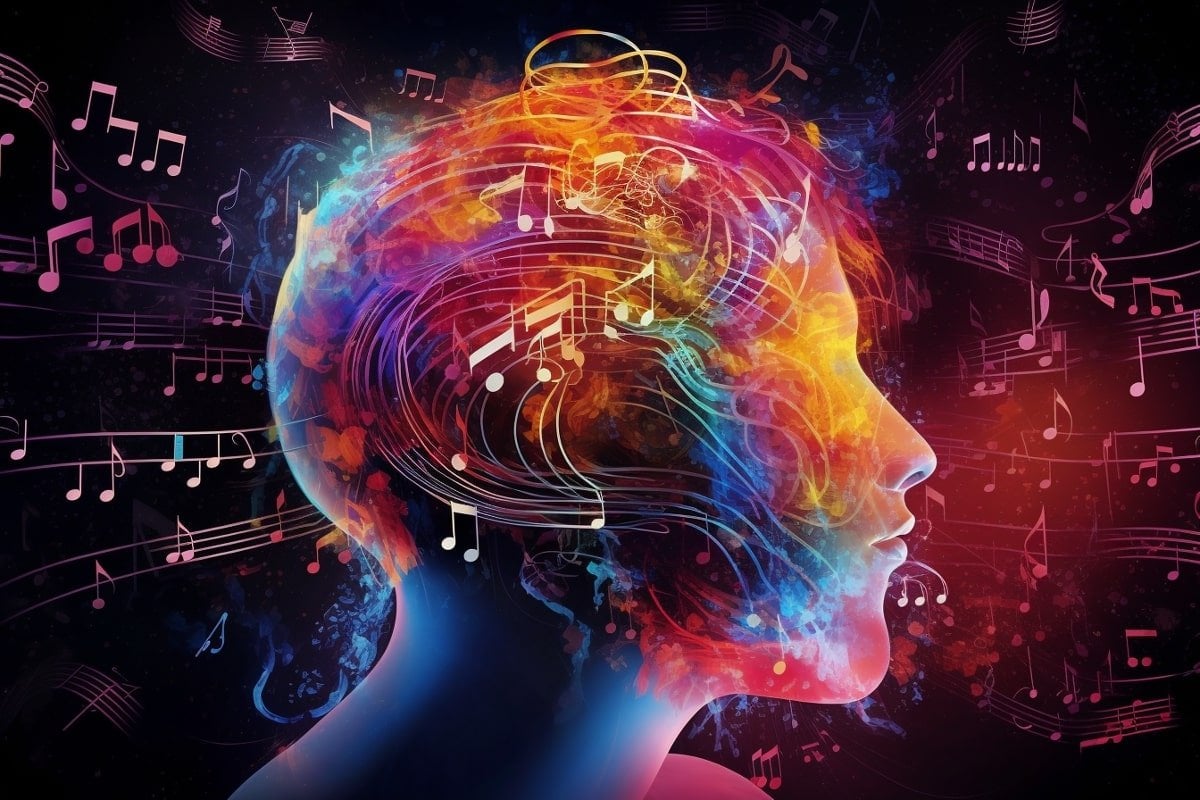
According to neurosciencenews.com, The immediate and often overwhelming emotional response we have to music begins in the brain. When we listen to music, multiple areas of our brain spring into action, including the auditory cortex, which processes sound, and the limbic system, a network of structures crucial for emotion, motivation, and memory. Key structures within the limbic system, such as the amygdala and hippocampus, are highly active when engaging with music, especially pieces that evoke strong feelings.
Neuroscientists have observed that engaging with enjoyable music can trigger the release of dopamine, a neurotransmitter associated with pleasure and reward. This “feel-good” chemical is the same one released during other pleasurable activities like eating or social interaction, explaining why music can be so intrinsically rewarding and even addictive. Moreover, music can influence levels of serotonin, oxytocin, and cortisol, impacting mood, social bonding, and stress responses, respectively. This complex interplay of neurochemicals is central to the psychology behind our emotional responses to sound.
Rhythmic Resonance: How Tempo and Melody Influence Mood
Beyond the simple act of listening, specific musical components are expert architects of our emotional landscape. Consider the pace: fast tempos are often associated with excitement, joy, and energy, increasing heart rate and stimulating movement. Conversely, slow tempos tend to evoke feelings of calm, sadness, or introspection, promoting relaxation and contemplation. This isn’t just subjective; our bodies often synchronize with the rhythm we hear, a phenomenon known as entrainment.
Melody and harmony also play critical roles. Major keys frequently convey happiness, optimism, and brightness, while minor keys are commonly linked to sadness, melancholy, or seriousness. Dissonant harmonies, characterized by clashing notes, can create tension, unease, or even anger, whereas consonant harmonies, with their smooth blends, typically sound pleasant and resolved. These fundamental building blocks of music are expertly manipulated by composers to guide our affective responses, demonstrating precisely how music shapes our emotions on a foundational level.
Cultural Cadence and Personal Playlists: The Role of Experience
While some aspects of musical emotion appear universal, our individual and collective experiences profoundly color our perception of sound. Cultural background significantly influences our interpretation of musical cues. A melody that evokes joy in one culture might signify sorrow in another, due to different scales, instrumentation, and social contexts associated with specific sounds. This cultural learning shapes our emotional framework for music from an early age.
Furthermore, personal memories and associations are powerful determinants of emotional responses. A particular song might instantly transport you back to a specific moment, evoking the exact emotions you felt then – be it love, loss, or triumph. This strong link between music and autobiographical memory means that our “personal playlists” are deeply intertwined with our emotional history. The unique way each of us processes and connects with music highlights the complex psychology behind the sound, making it a truly personal journey.
Therapeutic Tunes: Music as a Tool for Emotional Well-being
Given its profound impact, it’s no surprise that music has emerged as a valuable tool in therapeutic settings. Music therapy, a recognized health profession, utilizes musical interventions to address physical, emotional, cognitive, and social needs of individuals. For those struggling with anxiety or depression, listening to calming music can reduce stress hormones and promote relaxation. Upbeat music, on the other hand, can serve as a powerful mood booster, helping to alleviate symptoms of low mood.
Beyond mood regulation, music therapy is employed in pain management, helping patients distract from discomfort and alter their perception of pain. It aids in motor rehabilitation, cognitive stimulation, and even provides a means for non-verbal expression for individuals who find it difficult to communicate verbally. This practical application underscores the deep understanding of how music shapes our emotions and the potential it holds for fostering mental and emotional well-being.
The Neuroscience Behind Musical Emotion
The profound effect of music on our emotions is not merely subjective; it’s rooted in our neurobiology. When we listen to music, our brains light up in complex patterns, engaging areas far beyond those dedicated solely to auditory processing. Research, including studies by prominent neuroscientists like Daniel Levitin, highlights the activation of the brain’s limbic system – a network crucial for emotion, motivation, and memory.
Specifically, the amygdala, often called the brain’s emotional center, and the the nucleus accumbens, part of the brain’s reward system, show heightened activity. This leads to the release of neurotransmitters such as dopamine, associated with pleasure and reward, and oxytocin, linked to social bonding. This biochemical response explains why a favorite song can feel so incredibly good, offering a direct physiological answer to how music shapes our emotions on a fundamental level.
Moreover, the hippocampus, vital for memory formation and retrieval, is also activated, explaining why music is such a powerful trigger for nostalgic feelings. A simple chord progression or a familiar vocal line can transport us back in time, bringing with it the emotions associated with those past moments. This intricate interplay of brain regions underscores music’s role as a direct conduit to our deepest feelings.
Elements of Emotional Resonance: Tempo, Melody, and Harmony
While the brain provides the canvas, the musical elements themselves are the brushstrokes that create our emotional landscape. Different components of music work in concert to elicit specific feelings. Understanding these elements offers insight into how music shapes our emotions with such precision.
Tempo, the speed of the music, is perhaps the most immediate emotional cue. Fast tempos often evoke excitement, energy, and joy, while slower tempos tend to induce feelings of calm, contemplation, or sadness. Think of the adrenaline rush from a fast-paced rock anthem versus the soothing tranquility of a slow ballad.
Melody and Harmony also play critical roles. Major keys are generally perceived as happy, bright, and optimistic, whereas minor keys often convey melancholy, solemnity, or introspection. Dissonance – notes that clash – can create tension, unease, or suspense, while consonance – notes that blend harmonically – provides a sense of resolution, peace, or satisfaction. The interplay of these elements allows composers to craft intricate emotional narratives within their pieces, guiding the listener through a rich emotional journey.
Furthermore, dynamics (loudness or softness), timbre (the quality of a sound), and rhythm (the pattern of sounds and silences) all contribute to the emotional weight of a piece. A sudden forte can be startling or powerful, while a soft piano can be intimate or vulnerable. These nuances demonstrate the sophisticated language music uses to communicate directly with our emotional core.
Music as a Personal and Collective Emotional Tool
Beyond its neurological and structural aspects, music’s emotional power is deeply personal and widely shared. Individually, music serves as a highly effective tool for managing and expressing our feelings. People often curate playlists to match or alter their moods – a driving playlist for motivation, a calming one for relaxation, or a melancholic one for processing sadness. This deliberate choice highlights our active engagement in using music to navigate our inner lives.
Music also provides a unique avenue for emotional expression when words fail. Artists channel their experiences into songs, and listeners often find their own unspoken feelings echoed in lyrics and melodies. This shared experience creates a powerful sense of connection and validation, reinforcing the idea that we are not alone in our emotional journeys.
On a collective level, music fosters communal emotional experiences. Anthems unite nations, protest songs galvanize movements, and shared listening at concerts or festivals forge bonds between strangers. These collective emotional states demonstrate music’s capacity to transcend individual feelings and create a powerful shared identity, proving that understanding how music shapes our emotions extends beyond personal introspection to societal cohesion.
Therapeutic Applications: Harnessing Music for Well-being
Given its profound impact, it’s no surprise that music has been formally recognized for its therapeutic benefits. Music therapy is an established health profession that uses music interventions to address physical, emotional, cognitive, and social needs of individuals. Trained music therapists work with clients across all age groups and abilities to achieve non-musical goals.
For individuals struggling with stress and anxiety, music can be a powerful antidote. Listening to calming music can lower heart rate, reduce blood pressure, and decrease levels of the stress hormone cortisol. It provides a non-pharmacological way to relax and manage symptoms. Similarly, upbeat music can combat feelings of depression and lethargy, acting as a natural mood enhancer.
In healthcare settings, music therapy is employed for pain management, helping patients distract from discomfort and achieve a state of relaxation. For individuals with neurological conditions, music can aid in rehabilitation, improve motor skills, and stimulate cognitive functions. The ability of music to reach across various facets of human experience makes it an invaluable resource for promoting holistic well-being and a prime example of how music shapes our emotions for the better.
Conclusion
The intricate relationship between music and emotion is a testament to the complex design of the human brain and the richness of our shared human experience. From the fundamental neurological responses to the profound influences of culture and personal memory, music operates on multiple levels to touch our souls. How music shapes our emotions: The psychology behind the sound reveals that it is not merely background noise, but a powerful, multi-faceted force capable of healing, inspiring, comforting, and exciting us. As science continues to unravel the mysteries of this universal language, our appreciation for the symphony within us only grows, reminding us of music’s indispensable role in defining what it means to be human.
Frequently Asked Questions (FAQ)
Can music truly change our mood?
Yes, music can significantly alter our mood. It does so by influencing brain activity and neurochemical release, such as dopamine (pleasure) and cortisol (stress hormone). Upbeat music can elevate mood, while calm music can induce relaxation. Our personal associations with songs also play a major role in mood shifts.
Why do some songs make us feel nostalgic?
Songs often trigger nostalgia because they are strongly linked to our autobiographical memories. When we hear a song associated with a past event or period, our brain’s hippocampus and prefrontal cortex work together to retrieve those memories, along with the emotions we felt at that time. This deep connection makes music a powerful conduit to our personal history.
Is there a universal emotional response to certain types of music?
While some aspects like fast tempos often correlate with excitement and slow tempos with sadness across cultures, a truly universal emotional response is rare. Cultural conditioning, personal experiences, and individual preferences heavily influence how a person interprets and feels about music. What evokes joy in one culture might be neutral or even unsettling in another due to learned associations.
How is music used in therapy?
Music therapy is a clinical, evidence-based use of music interventions to achieve individualized goals within a therapeutic relationship. A certified music therapist uses various techniques, including listening to music, singing, playing instruments, or composing, to address physical, emotional, cognitive, and social needs, such as stress reduction, pain management, improving communication, or enhancing motor skills.
