




For any aspiring or established artist, the art portfolio is more than just a collection of images; it’s a powerful narrative, a professional calling card, and often the key to unlocking new opportunities. Whether you’re aiming for admission to a prestigious art school, seeking gallery representation, attracting freelance clients, or landing a dream job in the creative industry, knowing how to build a successful art portfolio is paramount. This comprehensive guide will walk you through the essential steps, from conceptualization to compelling presentation, ensuring your unique vision shines through.
A well-crafted portfolio effectively communicates your skills, artistic voice, and potential. It speaks volumes about your dedication and professionalism, making a lasting impression on viewers. In a competitive creative landscape, a strategically organized and beautifully presented portfolio can be the decisive factor that sets you apart. Let’s delve into the core elements that transform a simple collection of work into a captivating showcase of your artistic prowess.
Key Takeaways
- Define Your Goals and Audience: Understand the specific purpose of your portfolio (e.g., art school, gallery, client work) to tailor its content and presentation effectively.
- Curate Ruthlessly for Quality: Always prioritize quality over quantity. Select only your strongest, most relevant pieces that showcase your best work and technical skills.
- Master Presentation: High-quality photography or scanning is crucial for both digital and physical portfolios. Ensure consistent lighting, clear focus, and professional formatting.
- Integrate Supporting Documentation: A compelling artist statement, professional resume/CV, and clear contact information are vital components that add context and professionalism.
Defining Your Vision: The Foundation of a Strong Art Portfolio
Before you even begin selecting Art Portfolio works, it’s crucial to understand the purpose of your portfolio. Is it for an art school application, a job interview at a design studio, or for a gallery curator? Each scenario demands a slightly different approach and focus. For instance, an art school might seek evidence of experimental thinking and foundational skills, while a design agency might prioritize technical proficiency in specific software and a keen understanding of branding.
Once you identify your target audience, you can begin to tailor your selection. This foundational step helps in deciding what kind of work to include and how to present it. A common mistake artists make is creating a generic portfolio that tries to appeal to everyone, ultimately appealing to no one. Instead, aim for a clear, focused narrative that speaks directly to your desired opportunity. This clarity is a cornerstone of how to build a successful art portfolio.
Understanding Your Audience and Crafting a Cohesive Narrative
Think about what your audience wants to see. If you’re applying to a fine Art Portfolio program, show a range of mediums and concepts, demonstrating your artistic voice and potential for growth. If you’re seeking work as a concept artist, focus on character design, environments, and storytelling through your visuals. A cohesive narrative, even if it showcases diverse skills, ensures your portfolio tells a compelling story about you as an artist.
Consider the leading art institutions or galleries you admire. What kind of work do they feature? While you should never compromise your unique style, understanding industry standards and expectations can guide your curation process. This strategic thinking helps you to present a portfolio that is both authentic to your vision and relevant to the opportunities you seek.
Curating Your Masterpieces: Quality Over Quantity
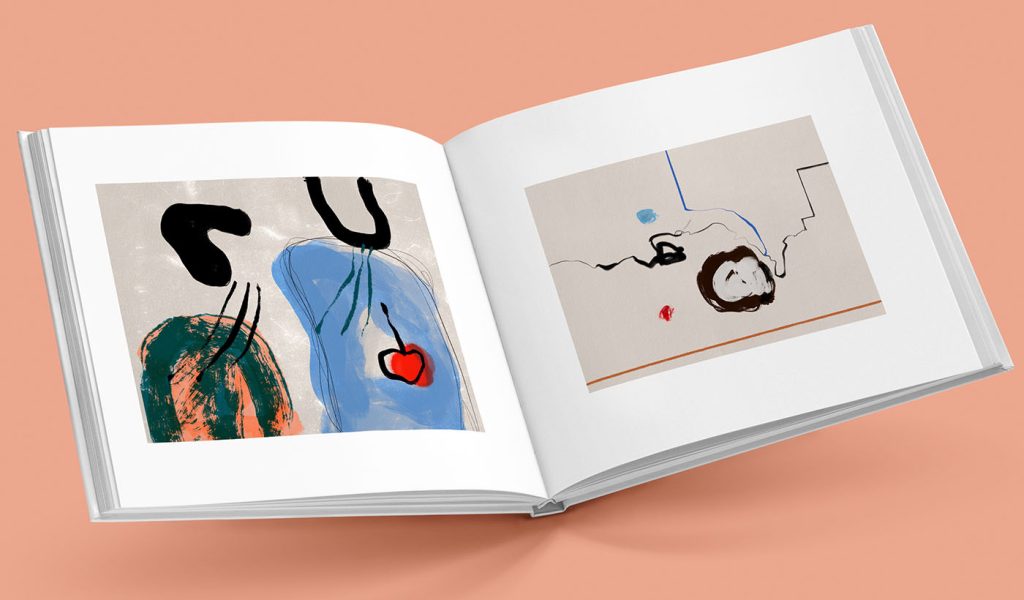
According to artworkarchive.com, The most critical aspect of learning how to build a successful art portfolio is the art of selection. Many artists feel compelled to include every piece they’ve ever created, or at least a large number, but this is a mistake. Less is often more. A portfolio with 10-15 outstanding pieces is far more effective than one with 30-40 pieces where only half are strong. Your portfolio is only as strong as its weakest piece.
Be ruthless in your curation. Ask yourself critical questions: Is this truly my best work? Does it showcase a skill relevant to my goal? Does it contribute positively to the overall narrative of my portfolio? If the answer is anything less than a resounding “yes,” it likely doesn’t belong.
Showcasing Range and Depth While Maintaining Focus
While quality is paramount, showing a range of skills and approaches can also be beneficial, especially for art school applications or general freelance work. This could mean including pieces in different mediums (drawing, painting, sculpture, digital art), or demonstrating various techniques within a single medium. However, ensure this range still feels cohesive and speaks to a developing artistic voice. Avoid including disparate pieces that make your portfolio feel unfocused.
For example, if you’re primarily a painter, you might include a few strong drawings that show your foundational skills, alongside your best paintings. If you’re a digital artist, showcase different styles or project types you’ve mastered. The goal is to demonstrate both your depth in preferred areas and your versatility without becoming diluted.
The Art of Presentation: Digital vs. Physical Portfolios

Once your Art Portfolio work is selected, the next crucial step is presentation. Whether you opt for a digital or physical portfolio, the quality of presentation can significantly impact how your work is perceived. Poor lighting, blurry images, or messy layouts can undermine even the most brilliant artwork.
For digital portfolios, high-resolution photography or scanning is non-negotiable. Invest in good lighting or find a professional photographer. Ensure your images are well-cropped, color-corrected (to accurately represent the original art), and uniformly sized. Popular platforms like Behance, ArtStation, or a personal website built with WordPress are excellent choices for hosting your online portfolio. They offer professional templates and tools to create a seamless viewing experience. Remember to optimize images for web viewing to ensure fast loading times.
Creating a Seamless and Professional Viewing Experience
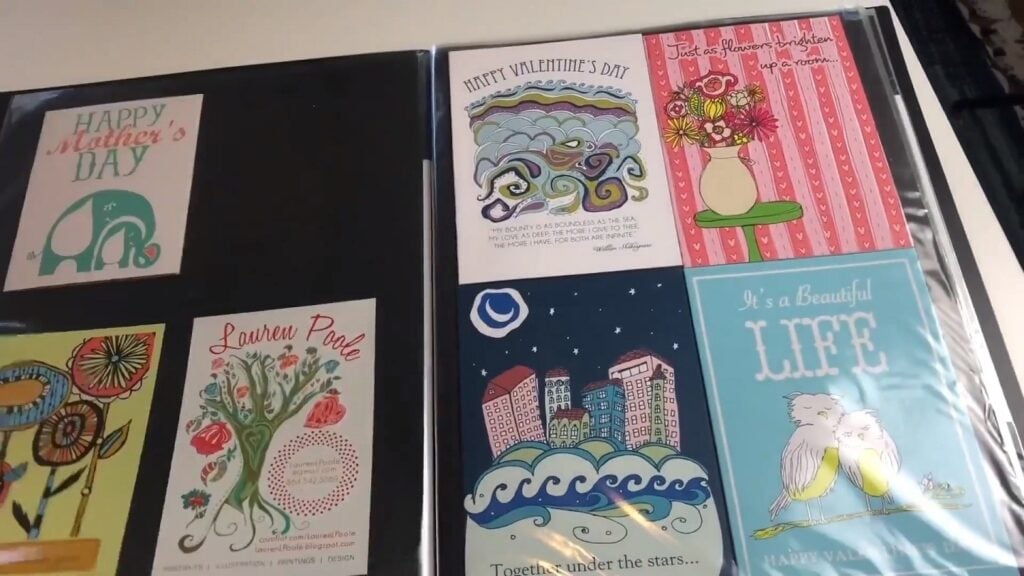
A physical Art Portfolio demands similar attention to detail. Use a professional-looking portfolio case, ensure your prints or mounted originals are clean and free of smudges, and arrange them in a logical, visually appealing sequence. Labels should be clear, concise, and professional, providing essential information without distracting from the artwork itself. Consistency in presentation, whether digital or physical, builds trust and showcases your professionalism.
Consider the order of your pieces. Start with a strong piece that grabs attention, include your strongest work throughout, and end with another impactful piece to leave a lasting impression. Think of it as telling a visual story, guiding the viewer through your creative journey. This careful consideration of presentation is central to how to build a successful art portfolio.
Beyond the Visuals: Supporting Documentation and Professionalism
Your Art Portfolio isn’t just about the art; it’s also about you, the artist. Supporting documentation provides essential context, explaining your artistic process, intentions, and professional background.
A concise and compelling Artist Statement is vital. This is a short text (typically 150-300 words) that explains your work, your influences, your process, and the concepts you explore. It should be written in your own voice and clarify aspects of your art that might not be immediately obvious. For specific applications, you might also need an artist bio or a statement of intent.
Crafting a Professional Narrative with Your Resume and Contact Information
Alongside your artist statement, include a professional Resume or Curriculum Vitae (CV). This should highlight your relevant education, exhibitions, awards, residencies, publications, and any relevant work experience. Tailor your resume to the specific opportunity, emphasizing experiences that align with what your audience is looking for.
Finally, ensure your contact information is clearly visible on every part of your portfolio – your website, physical portfolio, and resume. Include your name, email address, phone number, and links to your professional social media accounts or website. Professionalism in all aspects, from communication to presentation, solidifies your image as a serious and dedicated artist. Being prepared and organized with these elements demonstrates your readiness for professional opportunities.
Conclusion
Building a successful art portfolio is an ongoing process that requires introspection, critical thinking, and meticulous execution. It’s a testament to your artistic journey, skills, and professional dedication. By carefully defining your goals, curating your strongest works, mastering presentation, and supplementing with compelling documentation, you can create a portfolio that not only showcases your art but also powerfully communicates your unique artistic voice. Remember, your portfolio is a living document – continuously refine it as you grow and evolve as an artist, ensuring it always represents your very best.
Frequently Asked Questions (FAQ)
How many pieces should be included in a successful art portfolio?
Typically, a successful art portfolio contains between 10 to 20 of your strongest and most relevant pieces. The exact number can vary depending on the specific requirements of the art school, gallery, or job you’re applying for, so always check their guidelines. Quality always trumps quantity.
Is a digital art portfolio sufficient for all opportunities?
In today’s digital age, a high-quality digital art portfolio is often sufficient and sometimes preferred for its accessibility and ease of sharing. However, some opportunities, particularly art school interviews or gallery reviews, may still request a physical portfolio or original works. It’s wise to have both prepared or be ready to create prints of your digital work.
Should my art portfolio showcase a single style or diverse skills?
Your portfolio should ideally showcase a balance: demonstrating your foundational skills and versatility across different mediums or techniques, while also exhibiting a cohesive artistic voice or vision. Avoid including wildly disparate styles that make your work appear unfocused; instead, show how your diverse skills contribute to a broader artistic exploration.
What is the most common mistake artists make when building their portfolio?
One of the most common mistakes is including weak or inconsistent work. Artists often feel they need to fill a portfolio, but a few strong pieces are always more impactful than many mediocre ones. Other mistakes include poor photography of artwork, lack of an artist statement, or failing to tailor the portfolio to the specific opportunity.
