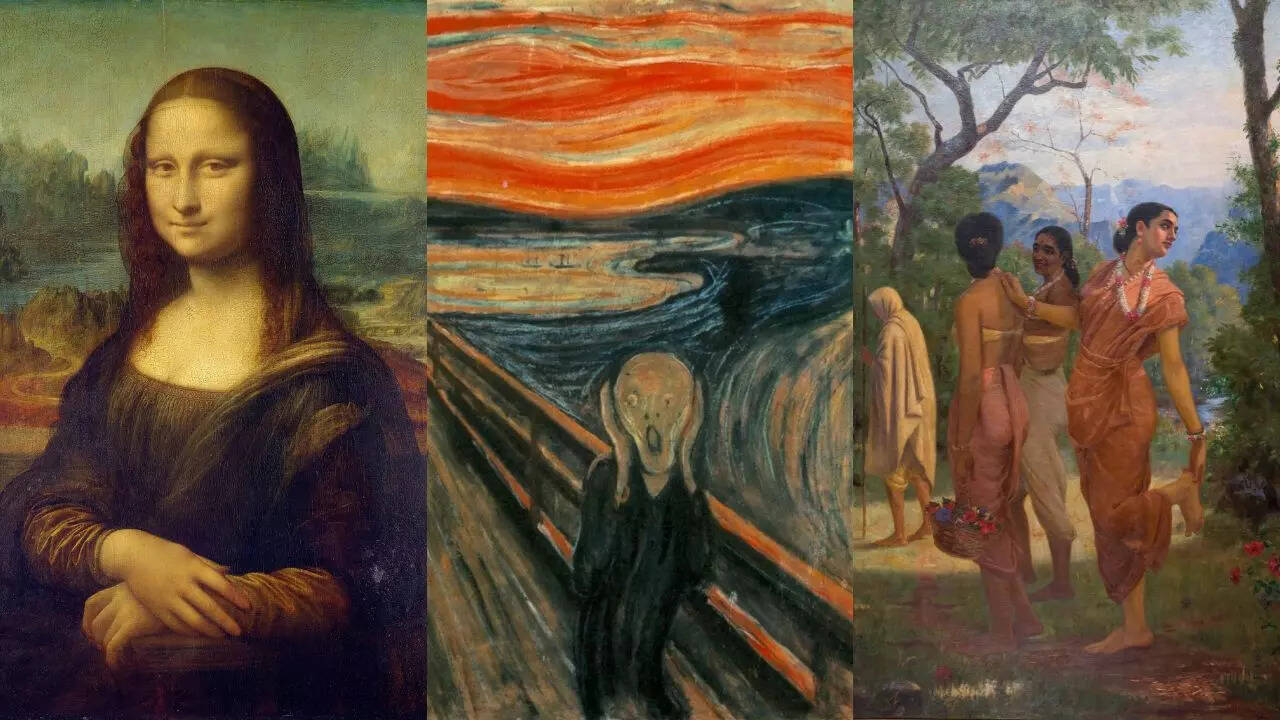




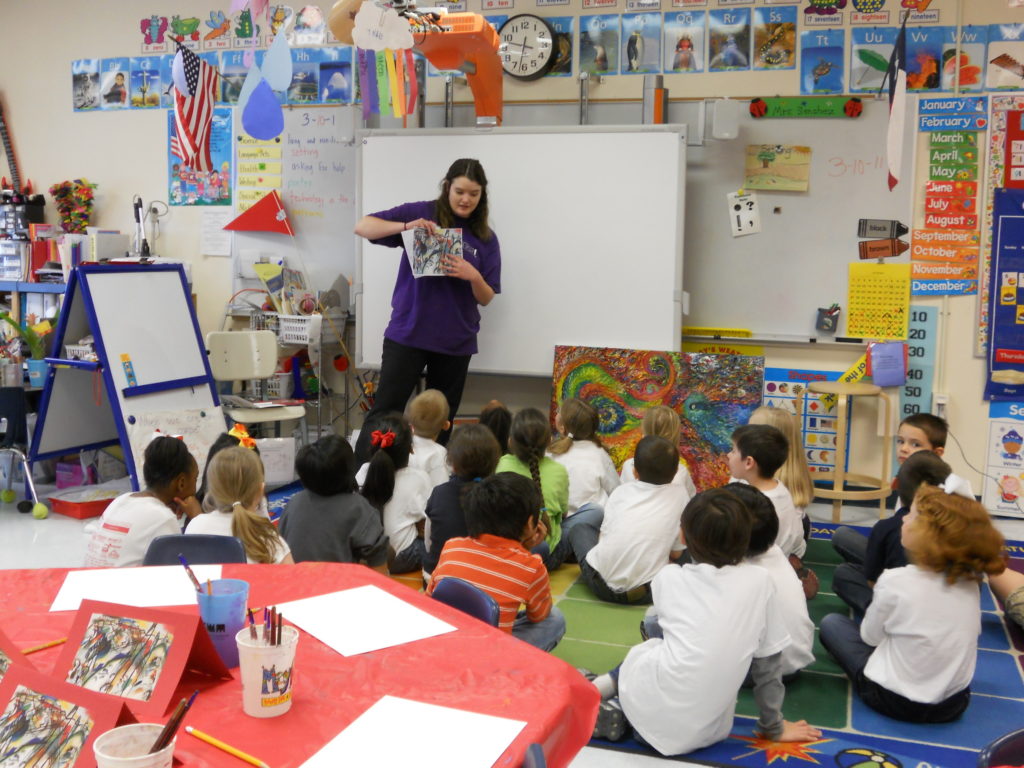
In an educational landscape often dominated by core subjects like mathematics and science, the profound value of art education frequently gets overlooked. Yet, integrating arts into school curricula is far from a luxury; it is a fundamental necessity for nurturing well-rounded, innovative, and critically thinking individuals. This article delves into the importance of art education in schools, exploring how it cultivates creativity, enhances cognitive abilities, and fosters emotional intelligence, laying a crucial foundation for students’ success in a rapidly evolving world. Neglecting the arts means denying students essential tools for personal growth and future prosperity.
According to varthana.com, The benefits of a robust art education program extend far beyond producing skilled artists. It’s about developing a holistic learner equipped to approach challenges with imagination and resilience. As schools globally re-evaluate their priorities, recognizing the irreplaceable role of drawing, painting, music, drama, and other artistic expressions becomes paramount for genuine educational excellence.
Key Takeaways
- Holistic Development: Art education nurtures creativity, critical thinking, problem-solving, and emotional intelligence, contributing to a student’s all-around growth.
- Academic Enhancement: Engagement in the arts has been linked to improved performance in other core subjects, including math, science, and language arts.
- Essential 21st-Century Skills: It develops vital skills such as innovation, collaboration, communication, and adaptability, which are crucial for future careers.
- Cultural and Emotional Well-being: The arts provide avenues for self-expression, reduce stress, build empathy, and foster a deeper understanding of diverse cultures.
Fostering Creativity and Innovation Through Artistic Expression
One of the most direct benefits of robust art education is its unparalleled ability to foster creativity. Unlike subjects that often have singular right answers, art encourages divergent thinking, experimentation, and unique solutions. When students are given a blank canvas, a block of clay, or a musical instrument, they are challenged to imagine, invent, and express their individual perspectives. This process is not just about producing a beautiful piece; it’s about building the muscle of imagination.
In today’s world, innovation is highly valued across all industries. Companies and organizations seek individuals who can think outside the box and come up with novel approaches to complex problems. Art education provides the early training ground for this. It teaches students to embrace ambiguity, learn from mistakes, and iterate on their ideas—skills that are directly transferable to scientific discovery, technological advancement, and entrepreneurial ventures. The ability to visualize and create is a cornerstone of human progress, and the arts are its primary incubator.
Developing Critical Thinking and Problem-Solving Skills
Beyond pure creativity, the importance of art education in schools also lies in its capacity to hone critical thinking and problem-solving abilities. Engaging with art requires students to make complex decisions. A painter must decide on color palettes, composition, and perspective. A musician interprets a piece, making choices about tempo, dynamics, and emotion. A dramatist analyzes character motivation and staging. These aren’t arbitrary choices; they are informed by observation, analysis, and an understanding of cause and effect.
Students learn to evaluate their work and the work of others, articulate their rationale, and understand the impact of their choices. They encounter challenges, such as how to convey a specific emotion or how to balance elements in a composition, and must devise strategies to overcome them. This iterative process of identifying a problem, brainstorming solutions, executing a plan, and then evaluating the outcome mirrors the problem-solving cycles in science, engineering, and everyday life. These are skills that equip students to navigate increasingly complex challenges, regardless of their chosen path.
Boosting Academic Performance Across Subjects
While often viewed as separate from core academics, evidence suggests that engagement in art education can significantly boost performance in other subjects. Studies have linked participation in music, visual arts, and drama to improved literacy skills, better mathematical understanding, and enhanced scientific reasoning. For example, understanding rhythm and patterns in music can reinforce mathematical concepts, while interpreting visual art can improve observational skills crucial for science.
The arts also demand discipline, focus, and sustained effort, qualities that are vital for academic success in any field. Learning to play an instrument or mastering a drawing technique requires practice and perseverance. These habits of mind, developed in the art classroom, spill over into other areas of learning, making students more effective and engaged learners overall. Furthermore, the cross-disciplinary nature of art, often reflecting historical periods or scientific phenomena, can make learning more engaging and provide a deeper understanding of various subjects.
Nurturing Emotional Intelligence and Cultural Understanding
Art provides a powerful outlet for self-expression, allowing students to explore and communicate their feelings, thoughts, and experiences in a non-verbal, often cathartic, way. This process is crucial for developing emotional intelligence – the ability to understand and manage one’s own emotions, and to understand the emotions of others. Engaging with art can reduce stress, build self-esteem, and provide a sense of accomplishment, contributing to overall mental well-being.
Moreover, studying art from different cultures and historical periods broadens students’ perspectives and fosters empathy. They learn about diverse traditions, values, and ways of seeing the world, breaking down cultural barriers and promoting a sense of global citizenship. Understanding that art is a universal language, reflecting the human condition across time and place, helps students appreciate diversity and develop a more nuanced understanding of humanity. This aspect of art education is increasingly important in our interconnected world, promoting tolerance and mutual respect.
Conclusion
Ultimately, the importance of art education in schools cannot be overstated. It is not merely an extracurricular activity or an optional add-on; it is an indispensable component of a comprehensive education. By cultivating creativity, enhancing critical thinking, boosting academic performance, and nurturing emotional and cultural intelligence, art education equips students with a rich toolkit of skills essential for navigating the complexities of the 21st century. Investing in robust art programs is an investment in our children’s future, ensuring they grow into well-rounded, innovative, and compassionate individuals capable of contributing meaningfully to society. Let us champion the arts and recognize their true power in unlocking the full potential within every student.
Frequently Asked Questions (FAQ)
What are the primary benefits of art education?
The primary benefits of art education include fostering creativity and innovation, developing critical thinking and problem-solving skills, enhancing academic performance across various subjects, and nurturing emotional intelligence and cultural understanding. It promotes holistic development crucial for success in all aspects of life.
How does art education contribute to academic success in other subjects?
Art education contributes to academic success by improving cognitive skills such as observation, analysis, and pattern recognition, which are vital for subjects like math and science. It also boosts literacy through storytelling and visual interpretation, enhances concentration, and instills discipline and perseverance, all of which positively impact overall academic performance.
Is art education still relevant in a technology-driven world?
Absolutely. In a technology-driven world, the skills honed through art education, such as creativity, innovation, and critical thinking, are more relevant than ever. These “soft skills” are essential for careers in STEM (Science, Technology, Engineering, Math) and form the foundation for STEAM (Science, Technology, Engineering, Art, Math) education, which recognizes the integral role of artistic thinking in technological advancement.
What challenges do schools face in maintaining strong art education programs?
Schools often face challenges such as budget cuts, a focus on standardized test scores in core subjects, and a perception that art is less important than academics. This can lead to reduced funding for art teachers, materials, and program time, making it difficult to maintain comprehensive and engaging art education for all students.