



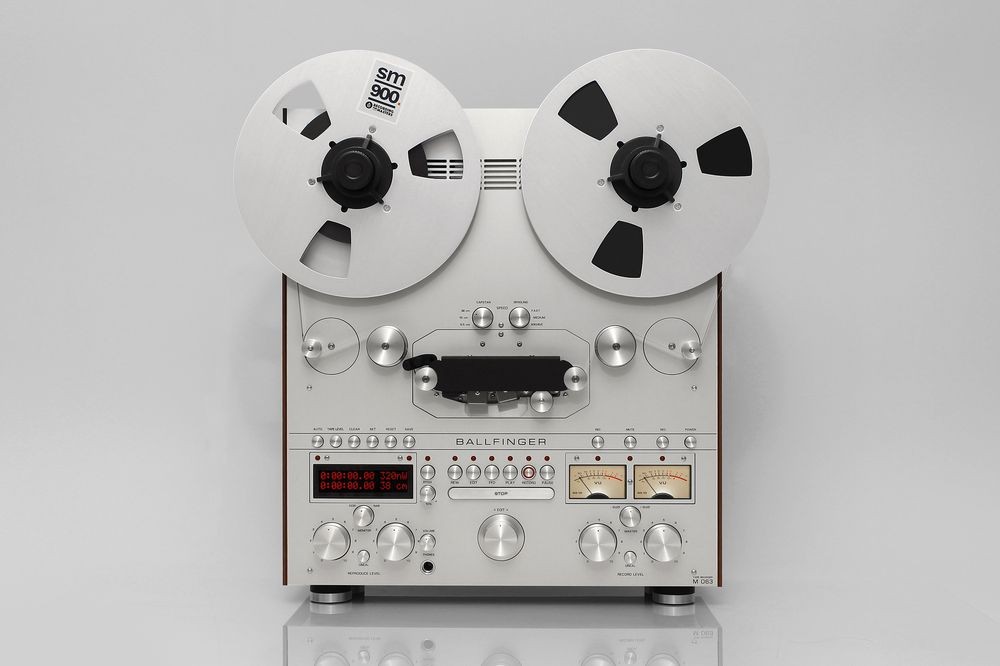
In an increasingly digital world, where music streams instantly and algorithms dictate playlists, a fascinating counter-movement is gaining significant momentum: the analog sound is trending again. From the satisfying crackle of a vinyl record to the nostalgic hiss of a cassette tape, physical music formats are experiencing a remarkable renaissance. This isn’t just a fleeting retro fad; it’s a deep-seated appreciation for a richer, more intentional listening experience that many feel has been lost in the convenience of digital audio.
The yearning for tangibility, superior audio quality, and a break from screen fatigue is driving consumers, both young and old, back to the charms of analog. This shift reflects a desire for authenticity and connection in our entertainment, proving that sometimes, the old ways offer something truly innovative and deeply satisfying for the modern ear.
Key Takeaways
- The resurgence of analog sound is driven by a desire for a more authentic and tangible music experience, countering digital fatigue.
- Vinyl sales continue to soar, appealing to both audiophiles seeking superior sound and casual listeners valuing the physical ritual.
- Cassette tapes are experiencing a niche but significant comeback, fueled by nostalgia, affordability, and indie artist support.
- The “warmth” and perceived richness of analog audio, alongside the tactile engagement with physical media, are key factors in its growing popularity.
The Allure of Warmth: Why Analog Sound Continues to Captivate

The primary draw for many re-embracing analog formats is the unique sonic character they offer. Often described as “warm,” “rich,” or “natural,” the sound profile of vinyl and tape stands in stark contrast to the often-perceived clinical precision of digital audio. This isn’t just audiophile snobbery; there’s a physiological and psychological component to it. Analog recordings, by their very nature, reproduce sound waves continuously, capturing nuances that some argue are lost in the sampling process of digital conversion.
This perceived warmth creates a more immersive and less fatiguing listening experience. For many, it’s not just about technical specifications but about how the music makes them feel. The imperfections—the occasional pop or hiss—are not flaws but integral parts of the analog journey, adding character and reminding the listener of the physical medium from which the sound emanates.
Beyond the Pixels: The Tangible Experience and Digital Fatigue
In an era dominated by screens and intangible digital files, the physical act of engaging with analog media offers a much-needed respite. Holding a record album, examining its artwork, reading the liner notes, and carefully placing the needle on the groove transforms listening from a passive background activity into an intentional ritual. This tactile engagement is a powerful antidote to “digital fatigue”—the exhaustion stemming from constant screen interaction and endless scrolling.
The tangibility extends beyond just the artwork. It’s about building a physical collection, curating shelves of records or tapes, and the satisfaction of owning a piece of musical history. This element of ownership and physical interaction creates a deeper connection between the listener and the music, fostering a sense of appreciation and mindfulness often absent in the fast-paced, disposable nature of streaming culture. For a growing number of music lovers, this holistic experience is precisely why analog sound is trending again.
The Vinyl Revival: A Cultural and Economic Phenomenon
The most prominent facet of the analog resurgence is undoubtedly the vinyl revival. Record sales have seen unprecedented growth over the past decade, consistently breaking records year after year. This isn’t just about niche audiophiles; mainstream artists are releasing new albums on vinyl, and major retailers are dedicating significant shelf space to LPs. Independent record stores, once thought to be an endangered species, are thriving, becoming community hubs for music enthusiasts.
The appeal of vinyl is multi-layered. For older generations, it’s a nostalgic trip back to their youth. For younger listeners, it’s a discovery of a new, authentic way to experience music, free from the distractions of digital platforms. The larger format allows for expansive artwork, and many argue that the sound quality, especially on well-mastered LPs played on good equipment, offers a superior depth and dynamic range. This blend of nostalgia, perceived sonic superiority, and the desire for a physical product firmly establishes vinyl as a cornerstone of why analog sound is trending again.
The Unexpected Comeback: Cassettes and the Indie Scene
While vinyl dominates headlines, another humble analog format is quietly making a comeback: the cassette tape. Though far from matching vinyl’s sales volume, tapes offer a unique appeal, particularly within independent music circles and among younger generations. Their affordability, portability, and distinct lo-fi aesthetic make them an attractive option for emerging artists and small labels looking for a physical medium without the high production costs of vinyl.
Cassettes also tap into a powerful vein of nostalgia for those who grew up in the 80s and 90s, recalling mixtapes and portable players. For Gen Z, however, it’s often a fresh, retro-chic discovery. The unique “tape hiss” is celebrated as part of its charm, and the compact, robust nature of the format makes it perfect for on-the-go listening with a Walkman or similar device. This niche but enthusiastic resurgence highlights the diverse reasons analog sound is trending again, showcasing that accessibility and aesthetic appeal can be just as powerful as pure audiophile pursuits.
Conclusion
The resurgence of analog sound formats is far more than a passing trend; it signifies a profound shift in how we consume and value music. Driven by a yearning for authenticity, superior sonic warmth, and a tangible experience that combats digital fatigue, vinyl and even cassettes are reclaiming their place in the hearts and homes of music lovers worldwide. As technology advances, the appeal of the human, imperfect, and physical aspects of analog audio only seems to grow stronger, proving that some experiences are simply timeless.
Frequently Asked Questions (FAQ)
Is analog sound truly better quality than digital?
The debate over analog versus digital sound quality is complex and often subjective. Many audiophiles argue that analog offers a “warmer” and more natural sound due to its continuous waveform representation. Digital, while capable of high fidelity, can sometimes be perceived as less warm or more sterile. However, the quality largely depends on the mastering, playback equipment, and individual listener preference.
What is “digital fatigue” and how does analog sound help?
Digital fatigue refers to the exhaustion and mental strain caused by constant engagement with screens, notifications, and the overwhelming amount of information in the digital world. Analog sound, through its tangible formats like vinyl records or cassette tapes, offers a break by providing a focused, ritualistic, and screen-free listening experience, promoting mindfulness and a deeper connection to the music.
Is investing in a vinyl collection expensive?
The cost of starting a vinyl collection can vary widely. While high-end turntables and rare records can be expensive, it’s possible to start with an affordable entry-level turntable and new or used records at reasonable prices. Many new releases retail for $20-$35, and vast selections of used vinyl are available, making it accessible for various budgets.
Are cassette tapes just a temporary fad?
While not reaching the same scale as vinyl, the cassette tape comeback shows signs of sustained niche appeal, particularly within independent music and among younger demographics. Its affordability for artists, nostalgic charm, and distinct lo-fi aesthetic contribute to its staying power as a complementary format rather than a direct competitor to vinyl or digital streaming.
