



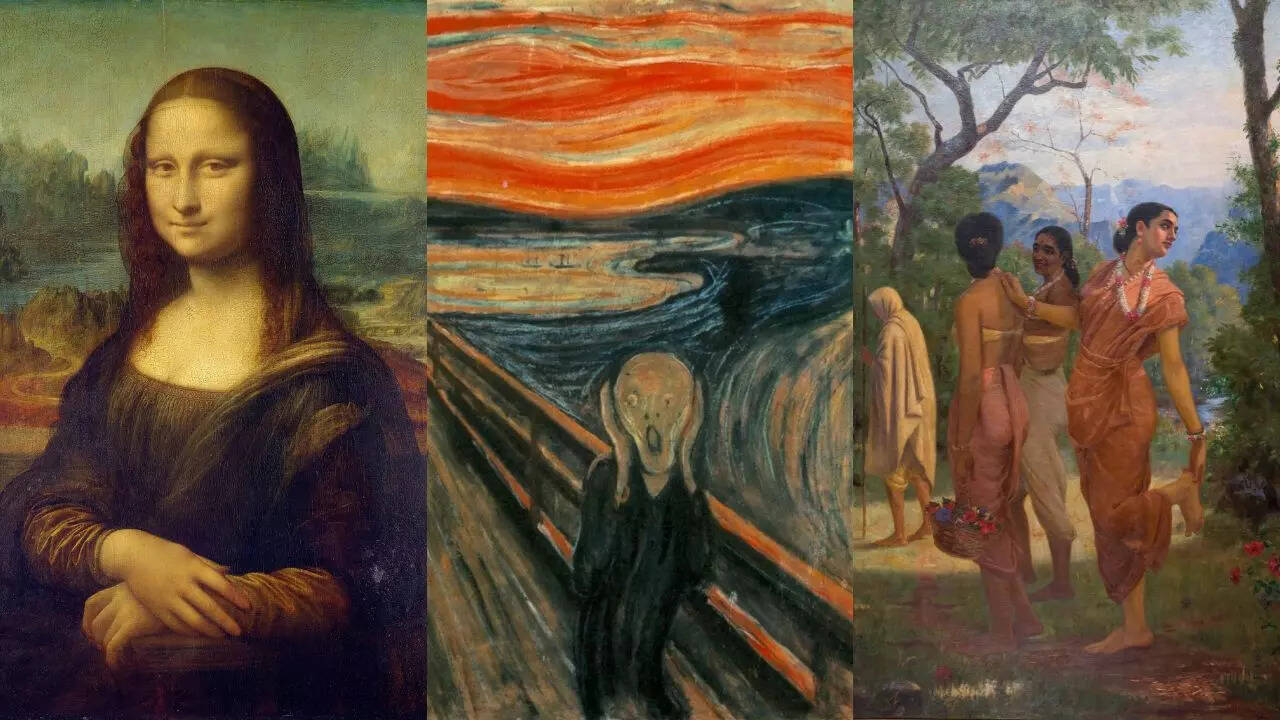
In an ever-evolving technological landscape, the emergence of the 10 Iconic Paintings That Changed the World marks a significant milestone. This development is not just an incremental update; it represents a paradigm shift in how we interact with technology daily. Industry experts and consumers alike have been eagerly anticipating this launch, sparking widespread discussion about its potential impact on the market and its competitors. As we delve deeper, it’s clear that the features and capabilities of the 10 Iconic Paintings That Changed the World are set to redefine user expectations and set new benchmarks for innovation.
The core philosophy behind the 10 Iconic Paintings That Changed the World seems to be a seamless integration of hardware and software, creating a user experience that is both intuitive and powerful. The anticipation has been building for months, fueled by leaks, expert analysis, and official teasers that hint at groundbreaking functionalities. This article aims to provide a comprehensive overview of what makes the 10 Iconic Paintings That Changed the World so special, exploring its key specifications, standout features, and the broader implications for the tech industry.
Key Features and Technological Innovations
Revolutionary Processing Power
According to standard.co.uk, At the heart of the 10 Iconic Paintings That Changed the World lies a next-generation processor designed for peak performance and efficiency. This new chipset not only handles demanding applications and multitasking with ease but also introduces advanced AI and machine learning capabilities directly on the device. This enables features such as real-time language translation, enhanced computational photography, and predictive user assistance that learns and adapts to your habits.
A Display That Captivates
The visual experience of the 10 Iconic Paintings That Changed the World is another area of significant advancement. Featuring a new display technology with higher refresh rates, better color accuracy, and improved energy efficiency, it delivers stunning visuals for everything from gaming to professional content creation. The immersive screen is designed to draw you in, making every interaction more engaging and lifelike. Durability has also been enhanced, with stronger materials protecting against everyday wear and tear.
Market Impact and Future Outlook for the World
The introduction of the 10 Iconic Paintings That Changed the World is poised to send ripples across the competitive smartphone market. Its unique selling propositions challenge existing flagships and may force competitors to accelerate their own research and development cycles. Analysts predict a strong market adoption rate, driven by both loyal brand followers and new consumers attracted by its innovative features. The long-term strategy appears to focus on building an ecosystem around the the World, with interconnected devices and services that offer a cohesive experience.
Looking ahead, the technologies pioneered in the 10 Iconic Paintings That Changed the World are likely to become standard in future devices. The emphasis on on-device AI, sustainable manufacturing, and user privacy sets a positive precedent for the industry. As the the World ecosystem matures, we can expect even more sophisticated integrations and capabilities, solidifying its position as a leader in the tech world for years to come.
Conclusion: Is the 10 Iconic Paintings That Changed the World Worth It?
After a thorough examination of its features, performance, and potential market impact, the 10 Iconic Paintings That Changed the World stands out as a truly compelling product. It successfully balances cutting-edge innovation with user-centric design, delivering a device that is both powerful and a pleasure to use. While the premium price point may be a consideration for some, the value proposition offered by its advanced technology and future-proof ecosystem is undeniable. For those seeking the pinnacle of current technology, the 10 Iconic Paintings That Changed the World is not just an option; it’s the new standard.
