



:max_bytes(150000):strip_icc()/KaterynaKovarzh-1ba05508b85442b499a1ac2a9e324e8b.jpg "Unveiling the Power of Palette: How Shades Influence Human Behavior and Our Daily Lives")
From the clothes we choose to the spaces we inhabit, color is an ever-present force in our environment. More than just aesthetic preferences, the shades we encounter daily subtly, yet profoundly, influence human behavior, emotional responses, and even cognitive processes. This fascinating field, known as color psychology, delves into the intricate ways different hues impact our perceptions, decisions, and overall well-being. Understanding this silent language of color can offer significant insights into consumer choices, workplace productivity, and even personal mood regulation, revealing a hidden layer of influence in our lives.
The impact of color is not merely a subjective experience; it’s rooted in biological, psychological, and cultural factors. Research continually uncovers how specific shades can trigger distinct physiological and emotional reactions, making color a powerful, often unconscious, determinant in how we think, feel, and act.
Key Takeaways
- Colors evoke specific emotional and physiological responses, from increased heart rate (red) to feelings of calm (blue).
- Shades significantly impact consumer behavior, brand perception, and purchasing decisions across various industries.
- Environmental colors in workplaces, healthcare, and educational settings can influence productivity, healing, and learning.
- The influence of color is universal to some extent, but also highly shaped by cultural background and personal experiences.
The Science Behind Color Psychology: More Than Just a Pretty Hue
The human eye perceives color when light reflects off objects and enters our retina, converting light signals into electrical impulses that travel to the brain. This process is far more complex than simple vision; it triggers a cascade of responses in our limbic system, the part of the brain associated with emotion and memory. This biological hardwiring helps explain how shades influence human behavior on an instinctual level.

Early pioneers like Johann Wolfgang von Goethe explored the psychological effects of color, while later researchers delved into its therapeutic applications. Modern neuroscience continues to uncover the intricate connections between visual stimuli and neural activity, demonstrating that colors can indeed alter our mood, focus, and even our perception of time. For instance, studies have shown that exposure to certain colors can affect heart rate, blood pressure, and even body temperature.
Decoding the Spectrum: Specific Shades and Their Effects
Each color carries a unique psychological weight, capable of eliciting a range of distinct responses. Understanding these associations is crucial to grasping how shades influence human behavior across various contexts.
The Passion of Red and the Serenity of Blue
Red is a powerful, attention-grabbing color. It’s often associated with energy, passion, excitement, and urgency. Research indicates that red can stimulate appetite, increase heart rate, and create a sense of immediacy. In marketing, it’s frequently used for sales and warning signs. Conversely, in a competitive setting, red has been shown to be perceived as dominant or threatening.
Blue, in stark contrast, evokes feelings of calm, trust, stability, and professionalism. It’s widely used in corporate branding to signify reliability and wisdom. Blue is known to have a calming effect, reducing stress and promoting focus. Studies have suggested that blue lighting can enhance productivity and creative thinking in certain environments, making it a popular choice for offices and educational institutions.
The Vitality of Green and the Optimism of Yellow
Green is intrinsically linked to nature, growth, and harmony. It symbolizes renewal, health, and tranquility. Often used in healthcare settings and eco-friendly branding, green is believed to reduce anxiety and promote a sense of well-being. Its balanced nature can make people feel refreshed and secure.
Yellow radiates happiness, optimism, and warmth. It’s a highly visible color, often associated with creativity and intellect. However, in large doses or certain shades, yellow can also induce feelings of anxiety or frustration, particularly in babies. Marketers use bright yellows to grab attention and convey a sense of cheerfulness, but its intensity requires careful application.
The Sophistication of Black and the Purity of White
Black often signifies power, sophistication, mystery, and elegance. It’s a staple in luxury branding and high fashion. While it can also be associated with mourning or negativity in some cultures, in design, black is used to create a sense of depth, strength, and timelessness.
White represents purity, cleanliness, simplicity, and new beginnings. It’s frequently used in healthcare to symbolize sterility and in minimalist design to evoke openness and clarity. White can make spaces feel larger and brighter, promoting a sense of calm and order, though excessive use can sometimes feel sterile or stark.
Real-World Applications: From Marketing to Well-being
The profound understanding of how shades influence human behavior is not confined to academic research; it has critical implications across numerous industries. Businesses, designers, and even healthcare providers strategically employ color psychology to achieve specific outcomes.
Marketing and Branding: Shaping Perceptions
In the world of commerce, color is king. Brand logos, product packaging, and advertising campaigns are meticulously crafted using color to evoke desired emotions and drive consumer behavior. Think of the vibrant red of Coca-Cola, signifying energy and excitement, or the calming blue of Facebook, promoting connection and trust. Fast-food restaurants often use reds and yellows to stimulate appetite and create a sense of urgency, encouraging quicker decisions. Conversely, luxury brands lean on blacks, silvers, and deep purples to convey exclusivity and sophistication, influencing purchasing intent.
Interior Design: Crafting Environments
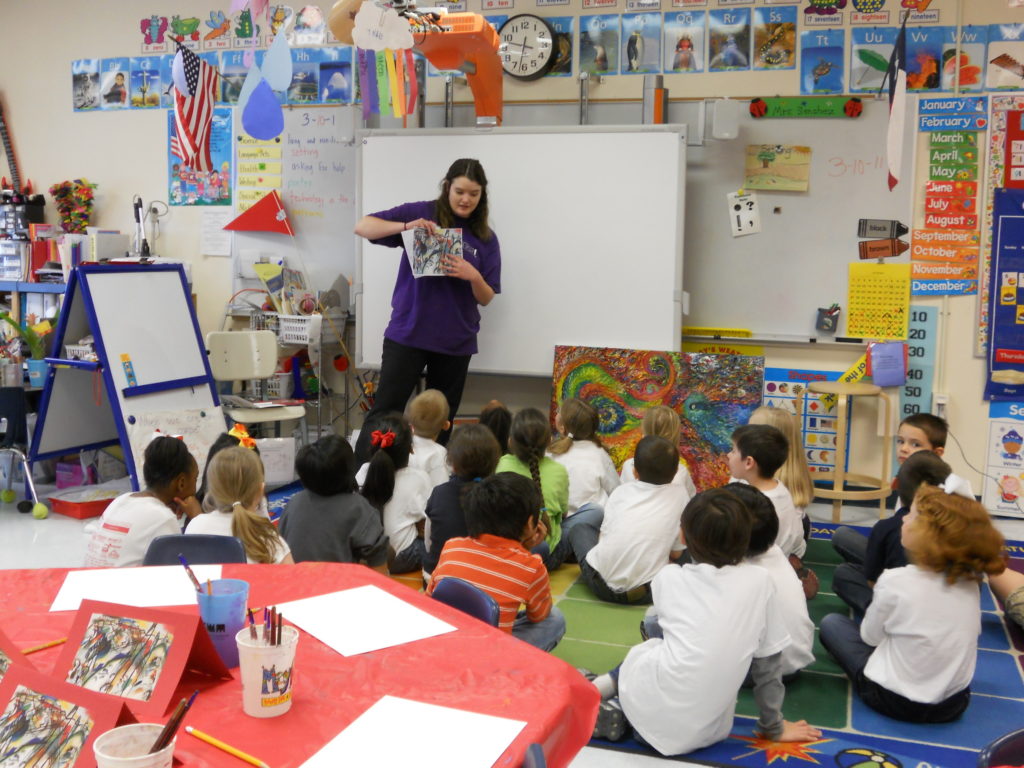
Architects and interior designers leverage color to transform spaces and influence the mood of occupants. In hospitals, soothing blues and greens are chosen to reduce patient anxiety and promote healing. Schools might use stimulating yellows in creative areas and calming blues in study zones to support learning. Offices often incorporate blues and greens to enhance focus and reduce stress, aiming to boost productivity. Even in our homes, the paint colors we choose for living rooms, bedrooms, or kitchens consciously (or unconsciously) dictate the atmosphere and our emotional experience within those spaces.
Healthcare and Therapy: The Healing Palette
Beyond interior design, color has found a place in therapeutic practices. Chromotherapy, or color therapy, uses specific colors to treat various conditions, aiming to balance the body’s energy. While often viewed as a complementary therapy, the psychological effects of color in healthcare environments are undeniable. Creating calming waiting rooms or patient rooms with soft, reassuring hues can significantly impact a patient’s stress levels and overall experience, contributing to a more positive outlook and potentially aiding recovery.
Conclusion
The intricate dance between light, perception, and emotion reveals the undeniable power of color in our lives. From the bold statements of marketing to the subtle nuances of personal well-being, how shades influence human behavior is a complex yet consistently impactful phenomenon. Recognizing the psychological effects of various hues empowers us to make more informed choices, whether we’re designing a workspace, choosing an outfit, or simply appreciating the world around us. As research continues to unfold, our understanding of this silent language will only deepen, allowing us to harness its power more effectively for personal growth, commercial success, and collective well-being.
Frequently Asked Questions (FAQ)
What is color psychology?
Color psychology is the study of how different colors and shades influence human emotions, behavior, and perceptions. It explores the connections between specific hues and their psychological and physiological effects on individuals.
Can colors really change my mood?
Yes, colors can significantly influence your mood. For example, warm colors like red and yellow can evoke feelings of energy and excitement, while cool colors like blue and green often promote feelings of calm and serenity. This influence varies based on individual experiences and cultural contexts.
How do businesses use color to influence customers?
Businesses use color strategically in branding, marketing, and product design to evoke specific emotions and encourage certain behaviors. For instance, they might use red to signify urgency in sales, blue to build trust, or green to suggest health and sustainability, influencing purchasing decisions.
Are color preferences universal?
While some color associations are broadly consistent across cultures (e.g., green with nature), many preferences and meanings are culturally specific. For example, white signifies purity in Western cultures but mourning in some Eastern cultures. Personal experiences and associations also play a significant role in individual color preferences.


