


Artificial Intelligence (AI) is no longer confined to science fiction; it has emerged as a formidable force, reshaping industries and daily life. Nowhere is its transformative power more evident than within the dynamic realm of contemporary art. The advent of sophisticated AI models capable of generating images, music, and text has sparked both excitement and apprehension, fundamentally altering how art is conceived, created, consumed, and even defined.
This technological surge is not just a passing trend; it represents a paradigm shift with a profound impact of AI on contemporary art, challenging established norms and opening unprecedented avenues for artistic expression. From algorithmic brushes to curatorial algorithms, AI is forcing a re-evaluation of creativity, authorship, and the very essence of human artistic endeavor.
According to medium.com, The ongoing integration of AI into the art world raises crucial questions for artists, critics, collectors, and the public alike. As machines learn to mimic and even innovate artistic styles, the boundaries between human and artificial creativity become increasingly blurred. This article delves into how AI is influencing contemporary art practices, exploring its role as a tool, a co-creator, and a catalyst for conceptual debate, ultimately redefining the landscape of modern artistic production.
Key Takeaways
- AI as a Collaborative Tool: Many contemporary artists are leveraging AI not as a replacement, but as an advanced tool or creative partner, pushing the boundaries of traditional artistic methods.
- Redefining Authorship and Authenticity: The rise of AI art sparks critical debates around who the “artist” truly is, copyright, and the unique value of human-generated work.
- Shifting Art Market Dynamics: Major auction houses and galleries are increasingly featuring AI-generated art, signaling its growing acceptance and the emergence of new valuation metrics within the art market.
- Ethical and Conceptual Challenges: The use of AI in art raises significant ethical questions regarding bias in datasets, environmental impact, and the long-term implications for human creativity.
AI as a Co-Creator: New Frontiers in Artistic Expression
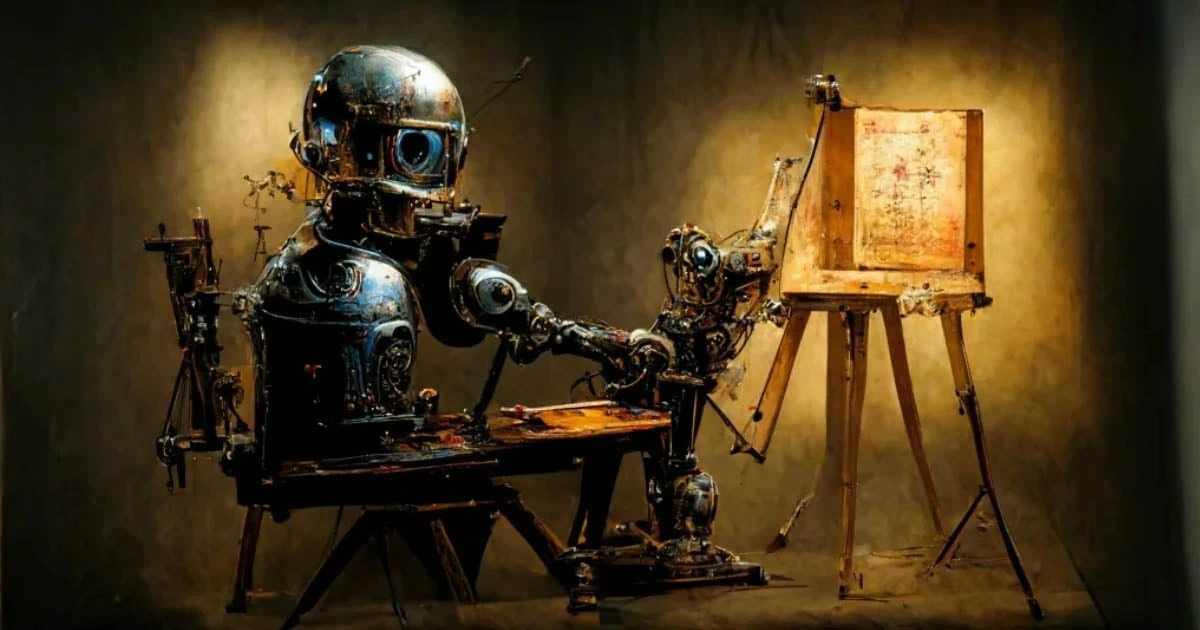
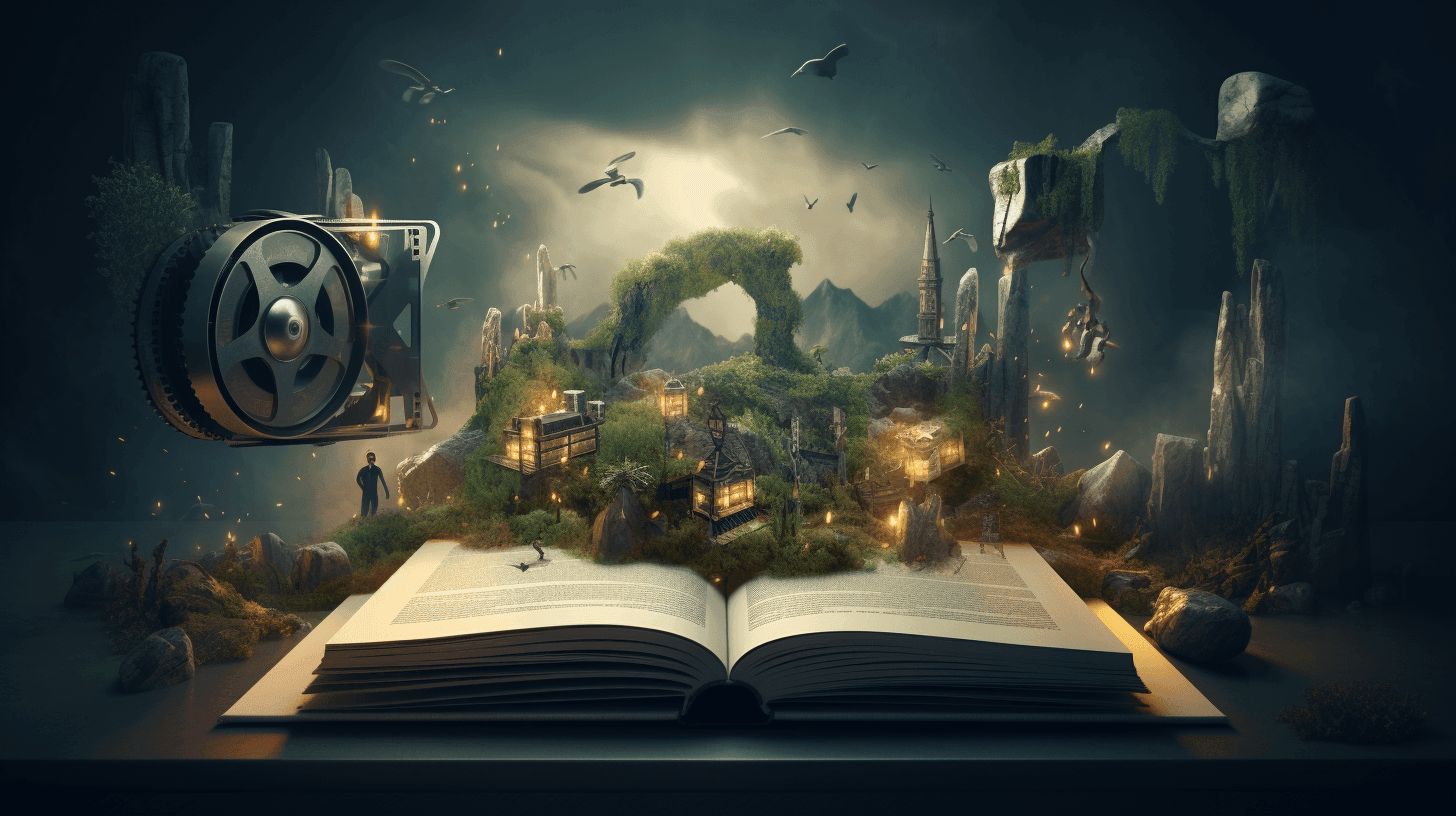
One of the most immediate and visible aspects of the impact of AI on contemporary art is its role as a generative engine. Tools like DALL-E, Midjourney, and Stable Diffusion have democratized image creation, allowing users to generate complex visuals from simple text prompts. For contemporary artists, these platforms are not just novelties but powerful extensions of their creative toolkit. They can experiment with styles, generate ideas, and even produce finished works that would be impossible or impractical through traditional means.
Contemporary Art Artists such as Refik Anadol, a pioneer in AI art, create mesmerizing “data paintings” and immersive installations by feeding vast datasets from natural landscapes to architectural archives—into machine learning algorithms. The AI then interprets and transforms this information into fluid, evolving visual experiences. Similarly, artists like Sofia Crespo explore biomorphic forms and digital ecologies through AI, blurring the lines between the natural and the artificial. This collaborative approach views AI not as a replacement for human imagination but as a sophisticated instrument, akin to a painter’s brush or a sculptor’s chisel, albeit one with an unprecedented capacity for pattern recognition and synthesis.
The Shifting Sands of Authorship and Authenticity in AI Art

Perhaps the most profound philosophical challenge posed by AI in contemporary art revolves around authorship and authenticity. When an algorithm generates an artwork, who is the true artist? Is it the programmer who coded the algorithm, the artist who crafted the prompt, the machine itself, or a combination of all three? This question was famously highlighted when “Edmond de Belamy,” an AI-generated portrait by the French collective Obvious, sold for $432,500 at Christie’s in 2018. The artwork, printed on canvas and signed with an algorithm, sparked global debate.
Critics argue that true art requires human intention, emotion, and lived experience, qualities that AI inherently lacks. Proponents, however, contend that the artistic act now extends to selecting, curating, and fine-tuning AI outputs, or even designing the algorithms themselves. The human element shifts from direct manual creation to conceptualization, direction, and interpretation. This redefinition of the artist’s role challenges traditional notions of artistic genius and craftsmanship, compelling the art world to grapple with new definitions of originality and the very soul of creative output.
AI’s Influence on the Art Market and Galleries
The burgeoning presence of AI art is steadily influencing the commercial art market and how galleries operate. Leading auction houses like Christie’s and Sotheby’s have embraced AI-generated works, signaling their growing legitimacy and investment potential. This inclusion validates AI art as a collectible asset, attracting new types of collectors interested in innovative digital mediums and the intersection of technology and creativity.
Galleries are also adapting, creating dedicated exhibitions and platforms for digital and Contemporary Art. These spaces often require new technical infrastructures and curatorial approaches to showcase interactive or evolving AI pieces effectively. The accessibility of AI art tools also means a potential democratization of art creation, allowing more individuals to participate. However, this raises questions about market saturation and the long-term valuation of works that can, in some forms, be endlessly replicated or generated. The challenge for the market is to establish robust frameworks for provenance, intellectual property, and valuation in an ecosystem where creativity is increasingly collaborative and algorithmically driven.
Ethical Considerations and the Future Landscape of Art
Beyond the aesthetic and conceptual shifts, the impact of AI on contemporary art brings forth a crucial set of ethical considerations. One major concern is algorithmic bias. AI models are trained on vast datasets, and if these datasets reflect existing societal biases in terms of race, gender, or culture, the art they produce can perpetuate or even amplify these biases. This calls for conscious effort in data curation and algorithm design to ensure inclusivity and fairness.
Another growing concern is the environmental footprint of AI. Training sophisticated AI models requires immense computational power, leading to significant energy consumption and carbon emissions. As AI art proliferates, its ecological impact becomes an increasingly important consideration for sustainable artistic practice. The future of contemporary art, with AI as an integral component, will likely see continued exploration of these ethical dimensions. Artists may deliberately use AI to expose biases, explore post-human aesthetics, or critique technological advancements. The trajectory suggests an exciting, complex future where AI will not just be a tool but a critical subject and a mirror reflecting humanity’s evolving relationship with technology.
Conclusion
The impact of AI on contemporary art is undeniable and multifaceted, transforming every aspect from creation to consumption and critique. It has ushered in an era where algorithms act as creative partners, challenging our understanding of authorship, authenticity, and the very definition of art. While questions of ethics, bias, and the potential devaluation of human skill persist, AI offers unprecedented avenues for innovation and expression, pushing artistic boundaries in ways previously unimagined.
As technology continues to evolve, contemporary art will undoubtedly remain at the forefront of this dialogue, acting as a crucial space where humanity explores its identity in an increasingly automated world. The journey of AI in art is only just beginning, promising a future rich with both marvel and profound philosophical inquiry.
Frequently Asked Questions (FAQ)
What is AI art?
Contemporary Art refers to artwork created or significantly assisted by artificial intelligence algorithms. This can range from algorithms generating images from text prompts (generative AI) to AI analyzing and transforming existing artworks, or even AI acting as a tool for artists to produce new forms of digital or physical art.
Can AI truly replace human artists?
While AI can generate impressive and complex artworks, it is widely believed that it cannot fully replace human artists. AI lacks consciousness, emotion, and lived experience qualities central to human creativity and intention. Instead, many view AI as a powerful new tool or collaborator that expands the possibilities for human artistic expression, rather than a competitor.
What are some of the main challenges of using AI in art?
Key challenges include defining authorship and ownership of AI-generated works, addressing algorithmic bias embedded in training data, the environmental impact of energy-intensive AI model training, and ethical considerations around the use of existing artists’ styles or works in AI datasets without consent.
How is the art market responding to AI-generated art?
The Contemporary Art market is increasingly accepting AI-generated art. Major auction houses like Christie’s and Sotheby’s have successfully sold AI artworks, and galleries are dedicating exhibitions to digital and AI art. This indicates a growing recognition of its artistic merit and market value, though robust frameworks for valuation and intellectual property in this new domain are still evolving.

:max_bytes(150000):strip_icc()/KaterynaKovarzh-1ba05508b85442b499a1ac2a9e324e8b.jpg "Unveiling the Power of Palette: How Shades Influence Human Behavior and Our Daily Lives")
